Moving Histories: Five Films from the DAVRA Collective
- Parwana Haydar
- Daria Kim
- Dana Iskakova
- Zumrad Mirzalieva
- Zelikha Zohra Shoja
Moving Histories brings together works by five women artists that explore complex and interconnected histories, weaving intimate family narratives into broader national and transnational movements. Centred around the Central Asian research collective DAVRA founded by Saodat Ismailova, the program honours the legacy of filmmaking developed within its artistic and regional networks. Two DAVRA-initiated films, Tashkent 58-88 (2023–25) and Whose Voice is This? (2024), are presented alongside House of History (2025), 1937 (2024–25), and In Search of Bluer Tongues (2026). Together they situate intimate, individual experiences within moments of profound political and social transformation.
Moving Histories closes Ismailova’s exhibition Other Light at Western Front and invites continued engagement with Central Asia beyond the borders of the former Soviet Union, a region continually shaped by interior and exterior displacement.
Introduction and post-screening conversation with filmmaker Zumrad Mirzalieva, moderated by Vancouver-based artist and filmmaker Althea Thauberger. Moving Histories is curated by Dilda Ramazan.
Program
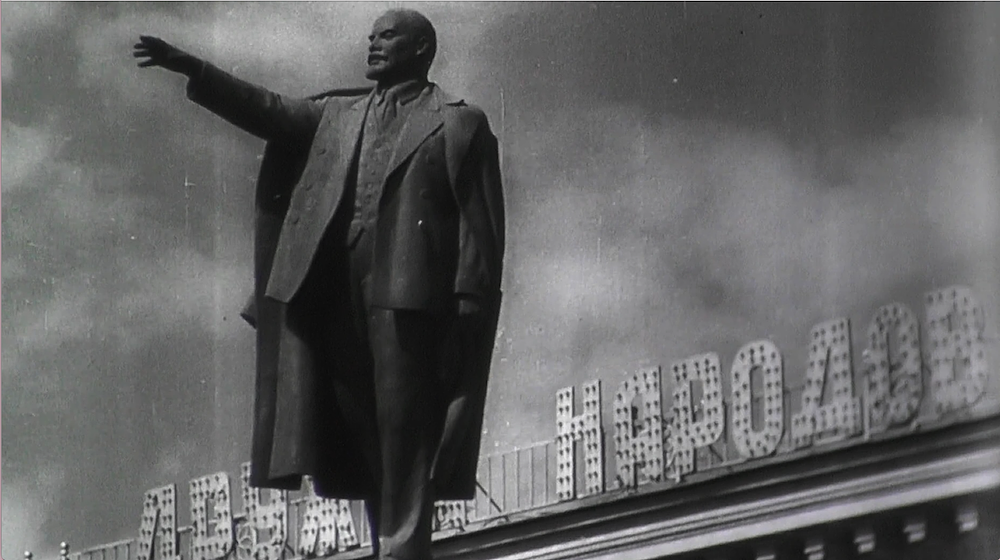
Tashkent 58-88
Uzbekistan 2023–25
Zumrad Mirzalieva
15 min. DCP
In Russian with English subtitles
Tashkent 58-88 combines archival footage of films from the former Tashkent Film Festival of African, Asian, and Latin American Cinema programmed over three decades until 1988. At once a colonial Soviet project and a stage for anti-colonial solidarity, the festival embodied a paradox—championing artistic resistance to imperial forces while operating within Soviet cultural power structures. Moving beyond its more apparent agenda of cultural diplomacy and establishing Tashkent as a modern Asian capital, the film examines the dissonance between the festival’s celebratory atmosphere and the struggles depicted on screen, revealing the complex intersections of politics, performance, and south-to-south cinematic movements. The project was part of DAVRA’s participation in the Survival Kit 14 in Riga, Latvia.
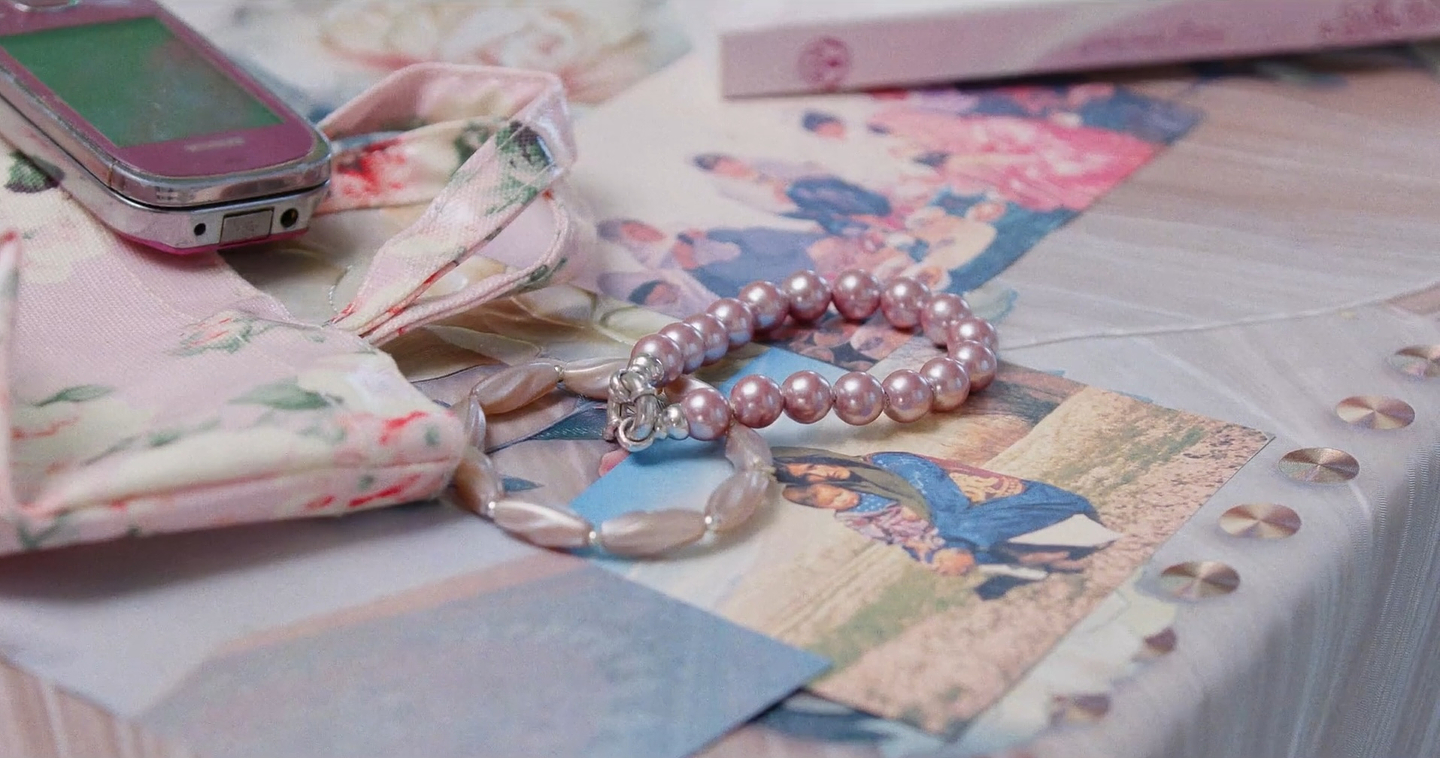
House of History
United Kingdom/Afghanistan 2025
Parwana Haydar
11 min. DCP
In Dari with English subtitles
House of History is an autobiographical immersion into a studio, where a phone conversation with the filmmaker’s parents unfolds the fragmented histories of Afghanistan. With everyday objects, family photographs, and historical archives, Haydar traces the past into the present, making the personal a site of historical inquiry.
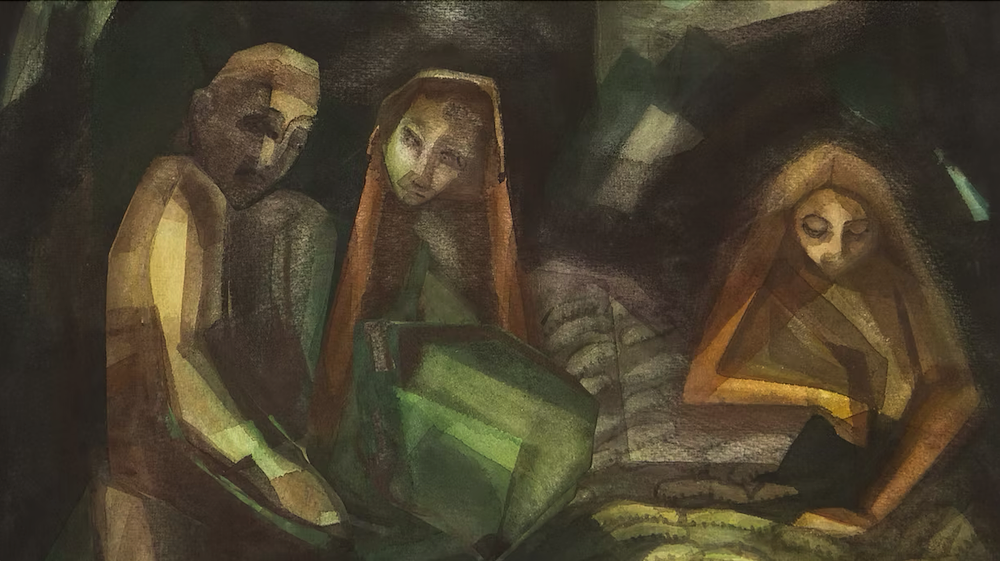
1937
Uzbekistan/Germany 2025
Daria Kim
16 min. DCP
No dialogue
1937 was created as the first chapter of Kim’s installation Hive Settlers at the Bukhara Biennial. The film addresses the forced deportation of ethnic Koreans from the Russian Far East to Central Asia under Stalin in 1937. Known as the Koryo-saram, the video animates paintings by Koryo-saram artists Anatoly Ligay (1941–2001) and Khristofor Kan (1934–2019), whose works are in the Nuron Collection of Korean artists of Uzbekistan, which represents an important archive of Koryo-saram cultural history. The project was developed over nine months in collaboration with filmmaker and animator Iliya Braun.
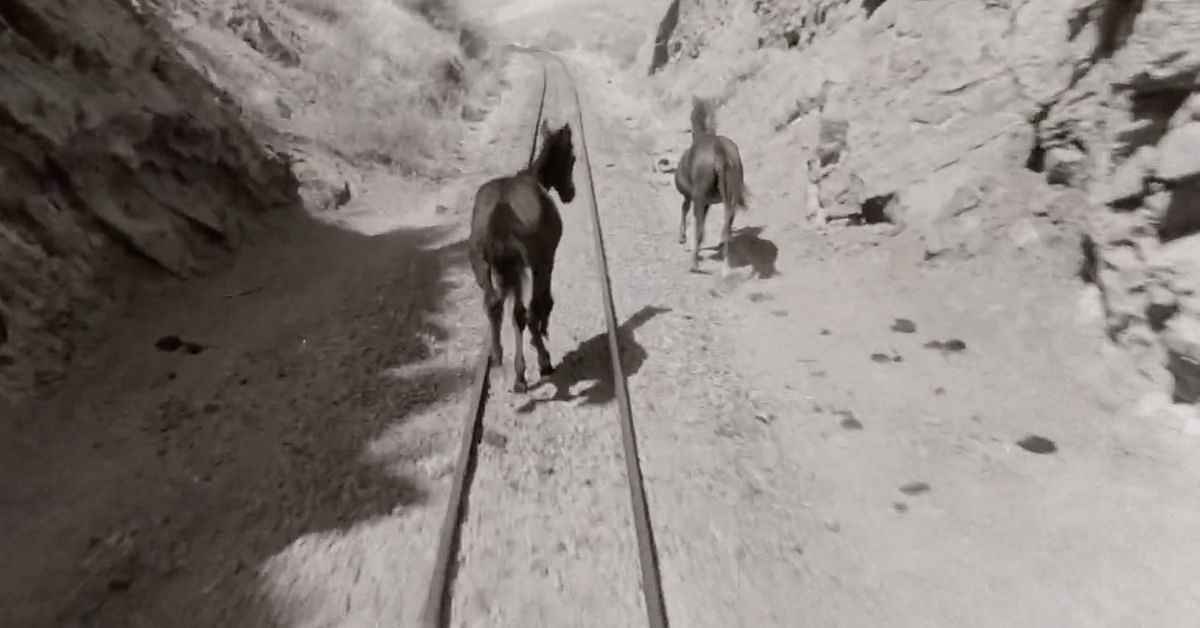
Whose Voice is This?
Kazakhstan/Uzbekistan/Germany 2024
Dana Iskakova
14 min. DCP
In Kazakh and Russian with English subtitles
Shifting from the visual to the aural, this film is a result of research conducted in Berlin in the Central Asian holdings of Arsenal Filminstituts archive. It explores the evolution of sound, speech, and music in local cinema from the 1960s to the 1990s. By listening to characters’ concerns through dubbed voices in addition to soundscapes and soundtracks, we can trace the impact of Soviet ideology, its gradual weakening, and the rise of Perestroika’s freedom. Whose Voice is This? was commissioned by Arsena Filminstitut’s Living Archive Residency, supported by DAVRA.
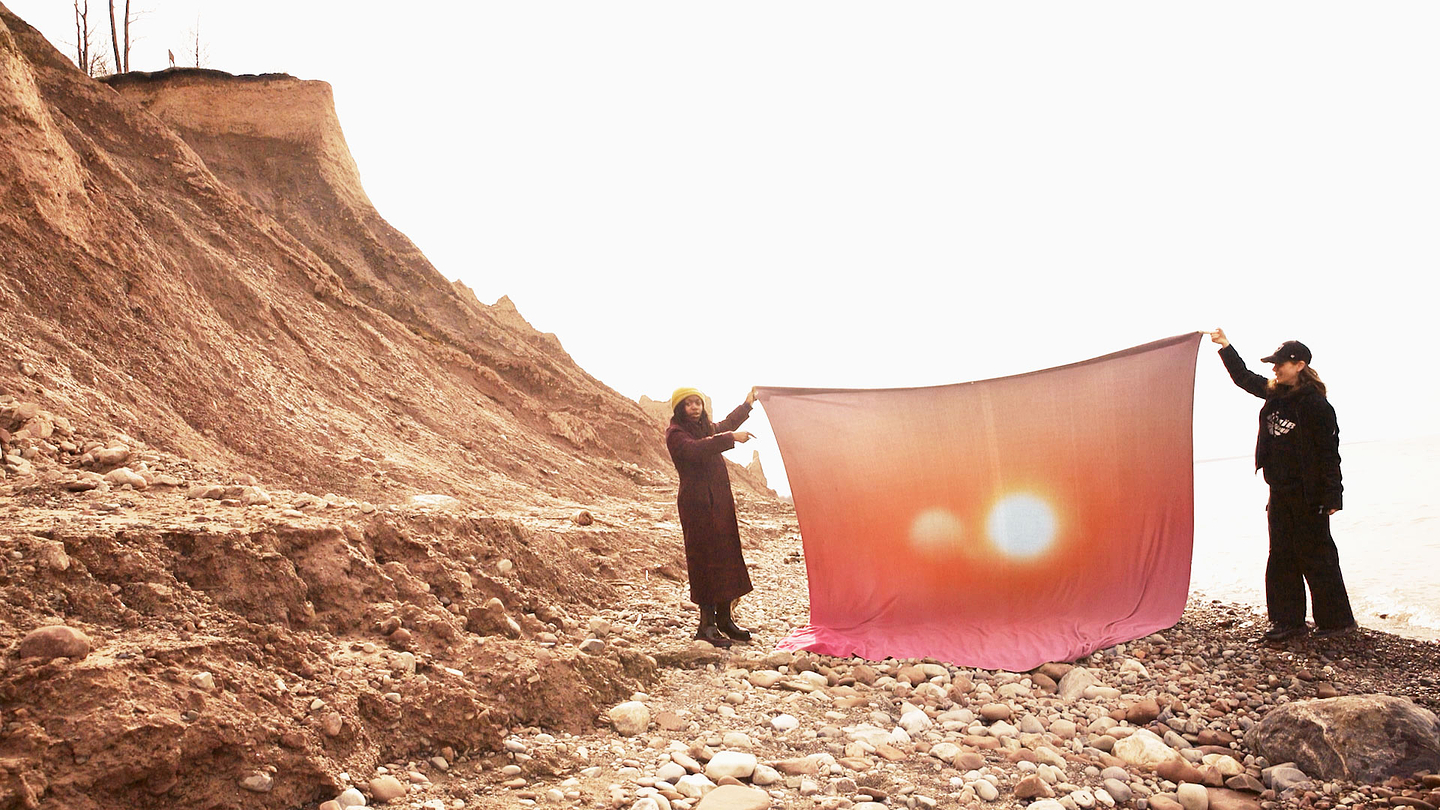
In Search of Bluer Tongues
United States 2026
Zelikha Zohra Shoja
16 min. DCP
In Dari, Turkish, and English with English subtitles
In 2021, Zelikha Zohra Shoja planned to shoot a new film at the site of her maternal home in Kabul, Afghanistan, but due to the return of the Taliban and ensuing violence, the project could not be realized. In Search of Bluer Tongues reimagines the domestic scenes Shoja hoped to seek in Kabul, working instead with members of resettled communities in Syracuse and Queens. The result is an act of collaborative memory-making and a meditation on the diasporic experience of longing to be in a place that can only be watched from afar. Shoja composed a stop-motion animation featuring traditional dastarkhan cloths, which are laid on the ground for dining, and conducted a series of “screen tests” and staged rituals of hospitality with participants who have a relationship to diaspora, migration and displacement.
About the Artists
Parwana Haydar is a moving image artist and curator based in London, United Kingdom. Her work touches on themes such as memory, archives, and displacement through film installation and video collages. She is a co-curator of Afghan Visual Arts & History Collective.
Daria Kim is a multidisciplinary artist whose practice spans performance, sculpture, video, installation, sound, painting, and drawing, rooted in material experimentation, embodied memory, and diasporic histories. Born in Tashkent, Uzbekistan, she now lives and works in Berlin, Germany.
Dana Iskakova is an artist and cultural practitioner born in 1997 in Kazakhstan and is currently based between Almaty, Kazakhstan, and Basel, Switzerland. Her artistic practice is primarily participatory and process-oriented, focusing on forming situations and environments in which people can imagine and create together. Her current research examines propaganda and parafiction, exploring how fiction operates as both a tool of manipulation and a space of freedom.
Zumrad Mirzalieva is based in Uzbekistan and the United States. She is a visual artist, researcher, and cultural programmer working with photography and the moving image. Her practice sits across curatorial research, public programming, writing, and artistic production, with a particular focus on ecology, extraction, speculative futures, solidarity, and agency.
Zelikha Zohra Shoja is an artist, researcher, and غمخوار / grief-eater living and working on unceded Onondaga land (Syracuse, United States). Her practice moves across moving and still image, performance, and social practice, tracing how collective experiences can be transferred, mirrored, and felt by others. Her work tends toward ecologies of interdependence, the transmission of memory, and embodied rituals of gathering.
About the Curator
Dilda Ramazan is a Kazakhstan-born curator and art critic, currently pursuing her PhD at Sorbonne University. Her research focuses on contemporary art scenes of the Central Asian cities of Almaty, Bishkek, and Tashkent, considered interconnected after 1991. Ramazan is a member of DAVRA research collective.
Accessibility
The Cinematheque’s theatre is wheelchair accessible and has four wheelchair spots with adjacent companion seats. If you have a mobility impairment and require assistance in attending a screening, we are happy to provide your companion with a complimentary ticket. You can notify us in advance via phone +1 (604) 688-8202 or email info@thecinematheque.ca, or speak to someone at our box office when you arrive. Further details about accessibility at The Cinematheque can be found here.
Alternative formats: The films include captions.
Acknowledgements
Presented in partnership with the Cinematheque.

Western Front is a non-profit artist-run centre in Vancouver.
We acknowledge the xʷməθkʷəy̓əm (Musqueam), Skwxwú7mesh (Squamish), and səl̓ílwətaʔɬ (Tsleil-Waututh) Nations as traditional owners of the land upon which Western Front stands.